Avisio

Built from a problem. Scaled to an industry.

Inventory and procurement management SaaS for enterprise hospitality and retail. From a customer-validated market study to seven-figure ARR across more than sixty enterprise customers in four markets.

As Co-Founder I led the journey from the first conversations with operators to a platform used daily by leading hotel groups.

RoleCo-Founder
CategoryEnterprise SaaS
IndustryHospitality & Retail
Markets4 international

Purchasing and inventory, made for the people who actually run hospitality.

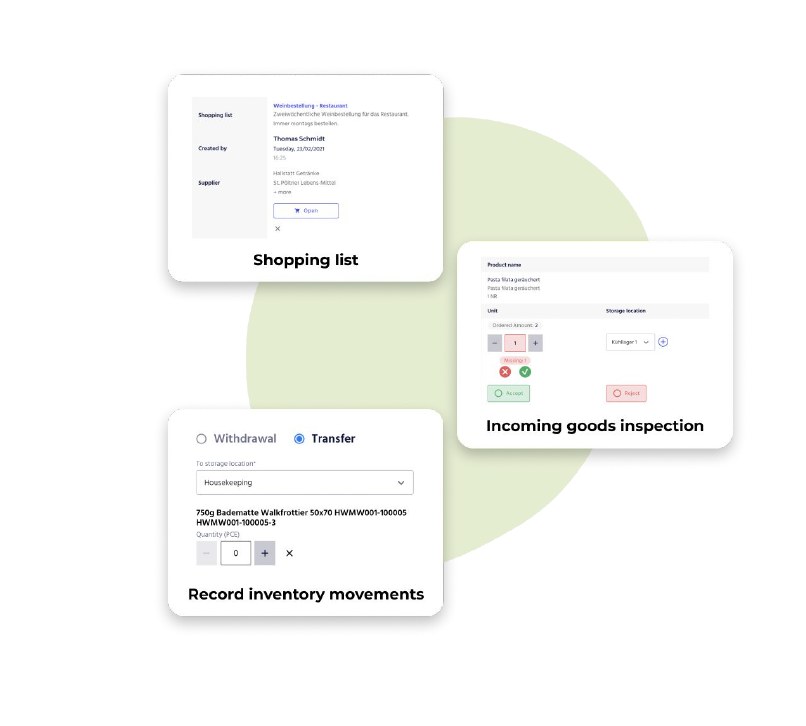
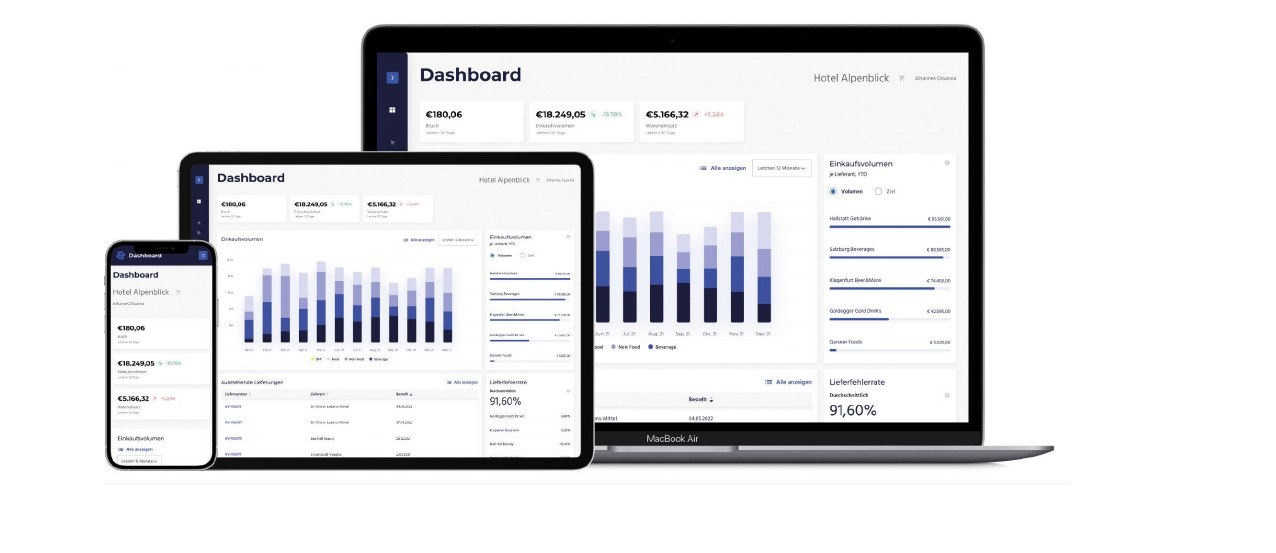
Avisio digitized the entire flow of goods, from ordering through goods receiving, inventory management, and consumption. It was built for hospitality and retail teams who needed clarity, control, and a few clicks instead of a few spreadsheets.

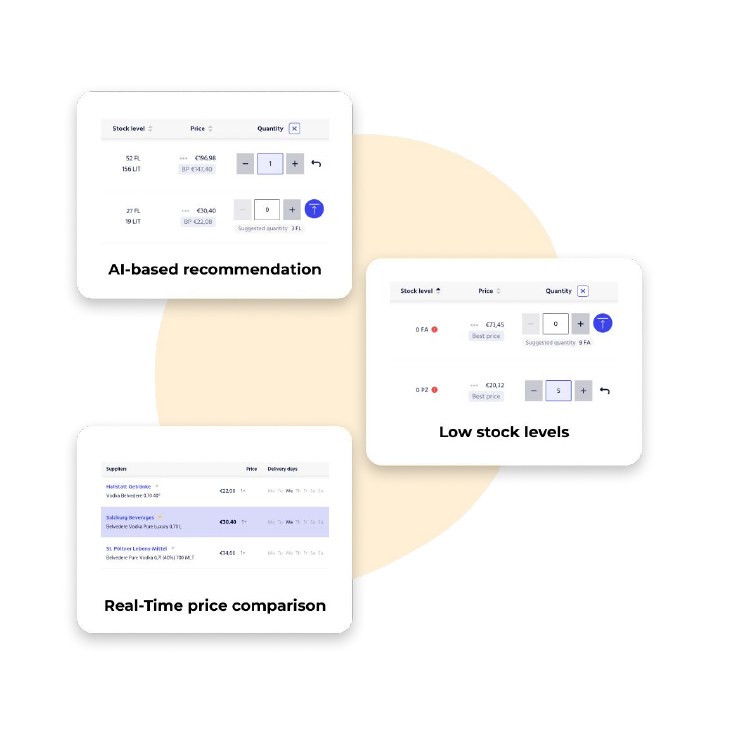
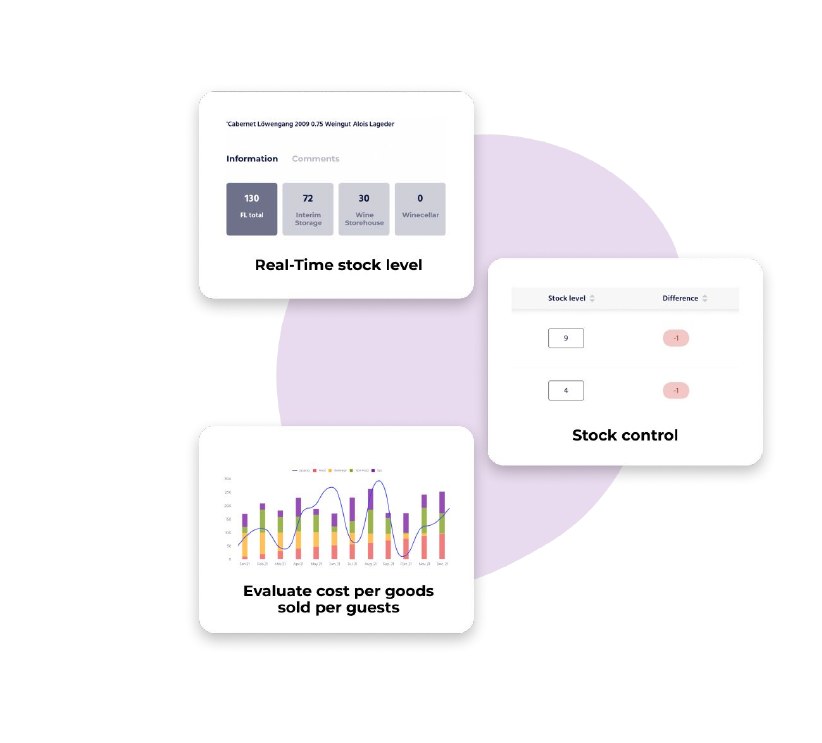
The platform sat between suppliers, the PMS, and the point of sale, turning siloed data into a single source of truth where real time price comparisons, AI driven recommendations, and stock visibility all lived.

7 figure
Annual recurring revenue
60+
Enterprise customers
4
International markets
0 → 1
Founding story, market study to scale

The product started as a conversation, not a codebase.

Avisio emerged from a market study conducted with a global hospitality group. Their team validated the problem in detail, opened the door to operators across the property, and then signed on as our first beta customer. They shaped the early product from inside the kitchen and the back office.

The customer was on the team from day one, and the product never lost the texture of the people who actually run a hotel.

Recognized by the people who know the industry.

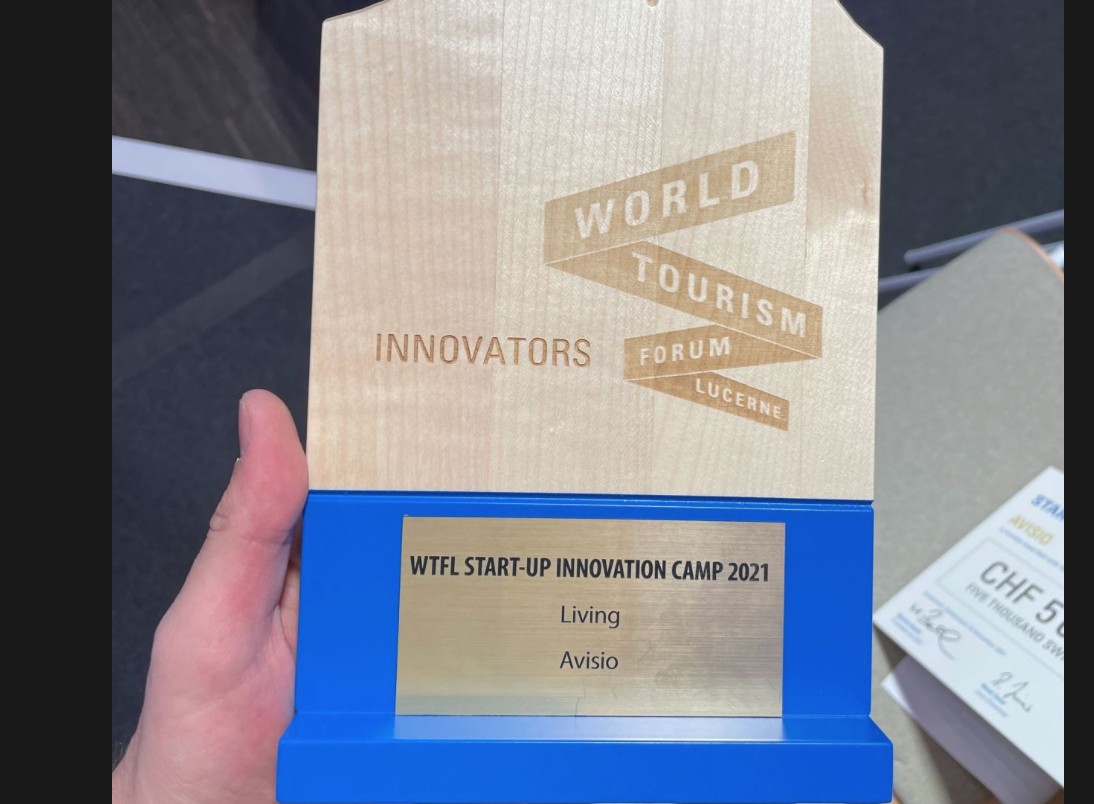
World Tourism Forum Lucerne Innovators Award trophy

World Tourism Forum Lucerne

Start-up Innovation Camp 2021 · Living category

Avisio was selected among 400 applicants from 100 countries to join the WTFL Innovators cohort, and went on to be recognized in the Living category. The award celebrated independent thinking on how technology can move hospitality forward.

View the LinkedIn post
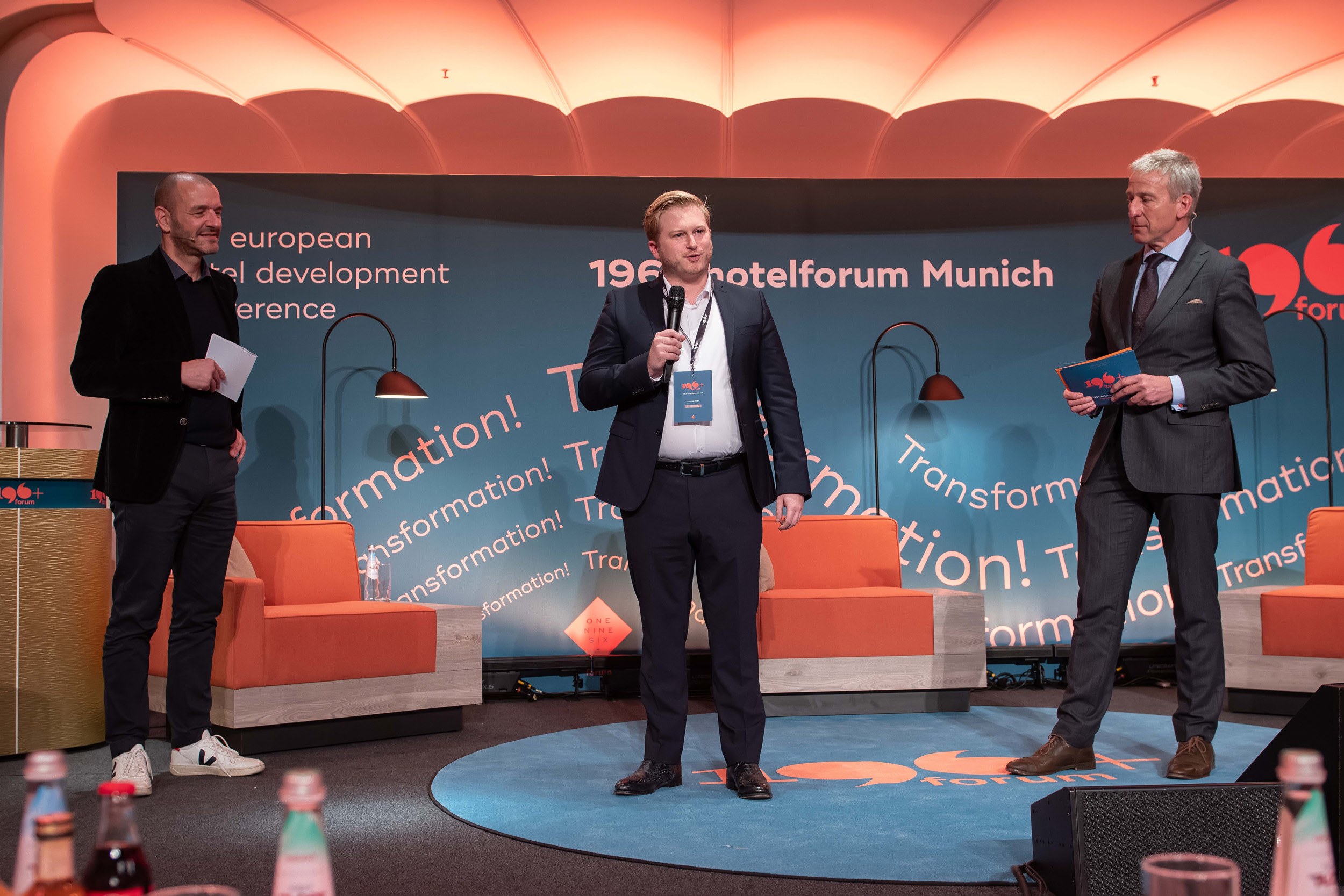
Matthias presenting on stage at hotelforum Munich for the Hospitality UPGRADE Award 2020

Hotelforum Munich, Hospitality UPGRADE Award

Winner · 2020

Avisio was named the winner of the Hospitality UPGRADE Award 2020 at hotelforum Munich, the European Hotel Development Conference. The award recognized Avisio among innovative hospitality startups across Europe and came with a fellowship through GNERATOR powered by GIRA.

Digital Procurement World logo

Digital Procurement World finalist

DPW · dpw.ai

Avisio was named a finalist at Digital Procurement World, the procurement industry's leading innovation event. The recognition placed Avisio among the most promising procurement technology startups globally.

How Avisio was built, in seven moves.

01 / 07Discovery

Before a line of code was written, I ran structured workshops with industry leaders to pressure-test the problem space. Then I went further: shadowing head chefs, sommeliers, and procurement managers through their actual daily workflows to understand where the real friction lived. The product was built from observed pain, not assumptions.

02 / 07Validation

I built wireframes and a prototypical MVP and validated them directly with key users before committing to a full build. We then brought on twenty top five-star hotels in the Alpine region as design partners, running a structured program of deep discovery sessions, feature co-development, and prototypical implementations. That program gave us the confidence to build fast and the feedback loops to build right.

03 / 07Product

Avisio was built API-first from the ground up. The platform connected more than fifty ERP, POS, and PMS systems through modular integrations and ETL pipelines, giving enterprise customers a single operational layer across their existing infrastructure. We applied AI to automate procurement workflows and generate insights that had previously required manual analyst work. The platform reached $1M ARR within 18 months of launch.

04 / 07Vendors

On the supply side, we won the largest vendor network in Austria, representing over $2 billion in procurement volume. I led the build of a dedicated vendor portal where vendors managed their own product, pricing, and stock data directly, letting corporate users connect with their entire network through a single interface.

05 / 07Team

At peak we operated across seven countries with a distributed team spanning engineering, product, sales, and customer success. Building that across time zones and markets required more than a good product. We built OKR frameworks, cross-functional rituals, and a customer success function designed specifically to reduce time-to-value for enterprise onboarding. NPS held above 75 throughout, across a customer base in Austria, Germany, Switzerland, and Italy.

06 / 07Pressure

When the hospitality industry stalled under the lasting workforce consequences of Covid, we had to make hard calls fast. I assembled a tiger team across customer success, engineering, partner management, and sales and ran a tight, focused operating rhythm that cut everything non-essential. The goal was to protect what mattered most: our customers, our integrations, and our runway. It was the kind of environment where clarity and speed of decision-making counted more than almost anything else.

07 / 07Capital

I raised $3M in institutional capital across multiple rounds. That meant owning the pitch, the investor relationships, the board, and financial planning, all running in parallel with product and operations.

Two problems. Two decisions. One through line: build for the user in front of you, not the one you imagined.

01 / 02Vendor Onboarding

Problem: cold-start vendor onboarding on a two-sided platform. Result: 70% self-serve, NPS +20, time to value cut from 3 months to 3 weeks.

Getting enterprise customers to first value required their vendors to be on the platform first. Vendors had no incentive to integrate. Early attempts to have customers convince their own vendors failed. The problem was structural: a classic two-sided marketplace cold start, compounded by a vendor base with very low digital literacy.

I led the design and build of a self-serve vendor portal built around three principles: extreme simplicity for low-tech users, flexibility for advanced ones, and a built-in network incentive. A vendor with minimal digital skills could upload catalogs via file import. A technically capable vendor could connect via API or FTP. And once on the platform, vendors could make their catalog available to other Avisio customers with a few clicks, turning the most popular vendors into pre-onboarded assets for every new customer.

To focus customers on their most important vendor relationships and protect our operational capacity, I restructured pricing packages to cap vendors per tier. Within the cycle following launch, 70% of new vendor onboardings were self-serve. Time to first value dropped from approximately three months to three to four weeks. Customer NPS moved from the low 60s into the 70 to 80 range.

FILE IMPORT Catalog upload API / FTP Direct integration MANUAL ENTRY Table editing AVISIO PLATFORM Vendor catalog shared across network CUSTOMER A Pre-onboarded vendors CUSTOMER B Pre-onboarded vendors CUSTOMER C Pre-onboarded vendors
Time to value
~3 months 3 to 4 weeks
After portal launch
Customer NPS
Low 60s 70 to 80
Following rollout
Vendor onboarding
Manual 70% self-serve
Within one cycle
Vendors at wind-down
~400
Still ramping
NPS Uplift Time-to-Value 3X 70% Self-Serve Two-Sided Marketplace Vendor Network
02 / 02Build vs. Buy

Problem: no off-the-shelf tool fit our low-literacy vendor base. Result: built in-house in 3–4 weeks, adopted Next.js as the standard frontend framework.

As we scoped the vendor portal, we faced a classic build vs. buy decision for the core data layer: the functionality that let vendors upload, view, and edit their catalogs visually. Existing solutions were either too complex for our low-literacy user base or overkill for what we needed at that stage.

I wrote a PRD with a deliberately minimal feature set, only what we needed to go live with the first vendors. I shared it with my engineering lead for an estimate. His read: we could build it ourselves in a matter of developer days, provided designs, mockups, and specs were tight. That condition put the responsibility back on product, which is exactly where it belonged.

There was a second factor. Next.js had just emerged as a relevant framework for our frontend architecture and the team was excited about it. Rather than treating that as a distraction, I used the vendor portal as a contained, low-risk project to build Next.js competency across the team and evaluate it as a long-term direction. The portal went live in three to four weeks, on schedule. We adopted Next.js as our standard frontend framework, which also strengthened our engineering hiring pipeline. Developer engagement and retention improved noticeably. The decision to build in-house gave us full control over the UX, and that simplicity was directly responsible for the self-serve adoption rates in the first case study.

Build vs. Buy PRD Ownership Engineering Alignment Developer Retention Next.js Adoption
Thirty people. Eight nationalities. One product.

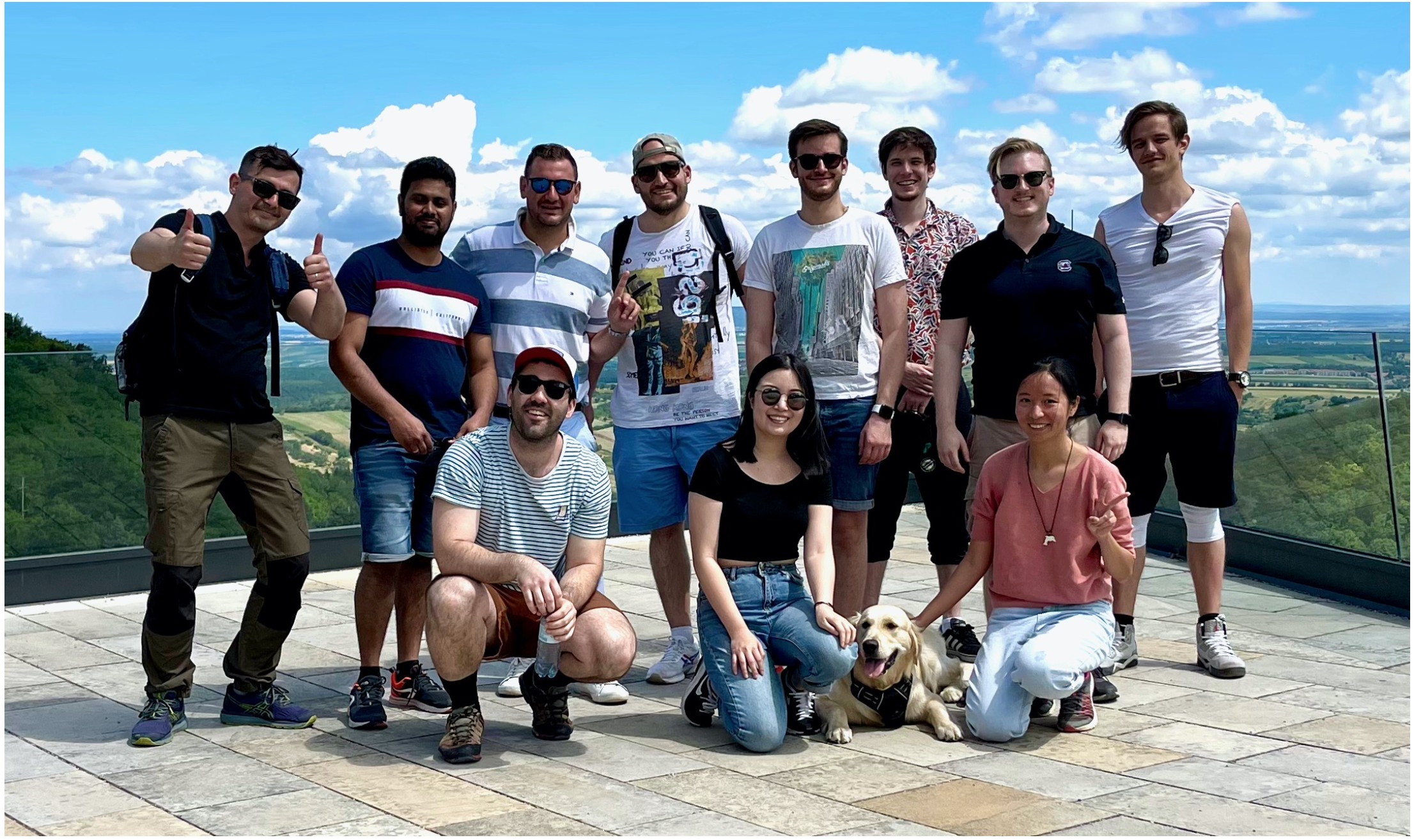
The AVISIO team at a hiking event in Austria
Part of the AVISIO team at a hiking event in Austria.

A team that turned a market gap into a product, and a product into a daily tool for the people who run real hospitality.